Gel-Clot Endotoxin Testing (BET)

The gel‑clot assay is a simple, qualitative method designed for small‑scale, low‑volume endotoxin testing. The reagent is pre‑buffered to enhance resistance to sample interference. Single tests are ideal for routine endotoxin detection in research samples, offering a convenient, self‑contained solution for laboratories with limited testing needs.

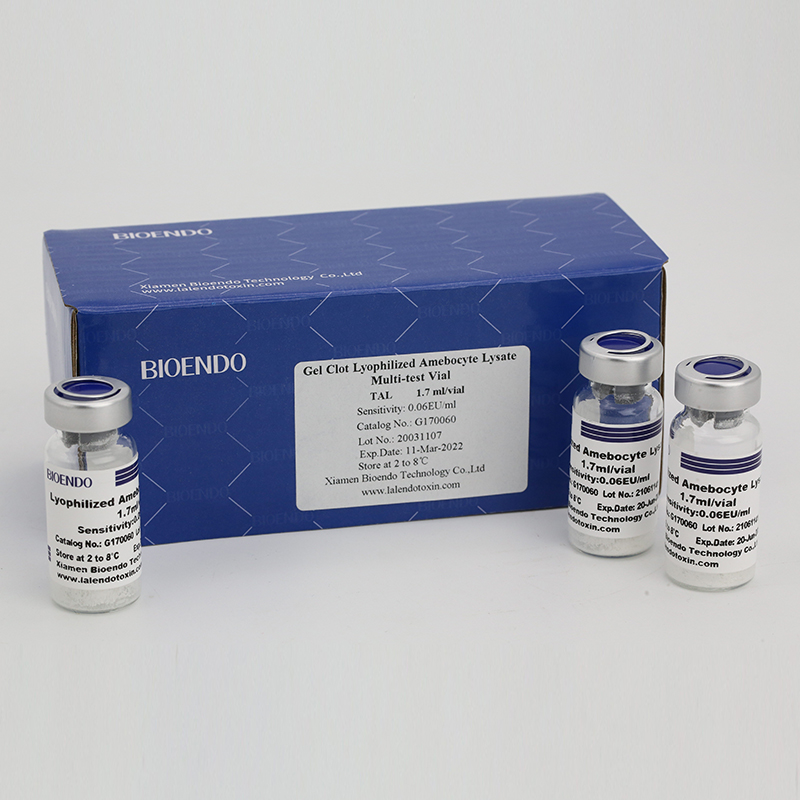
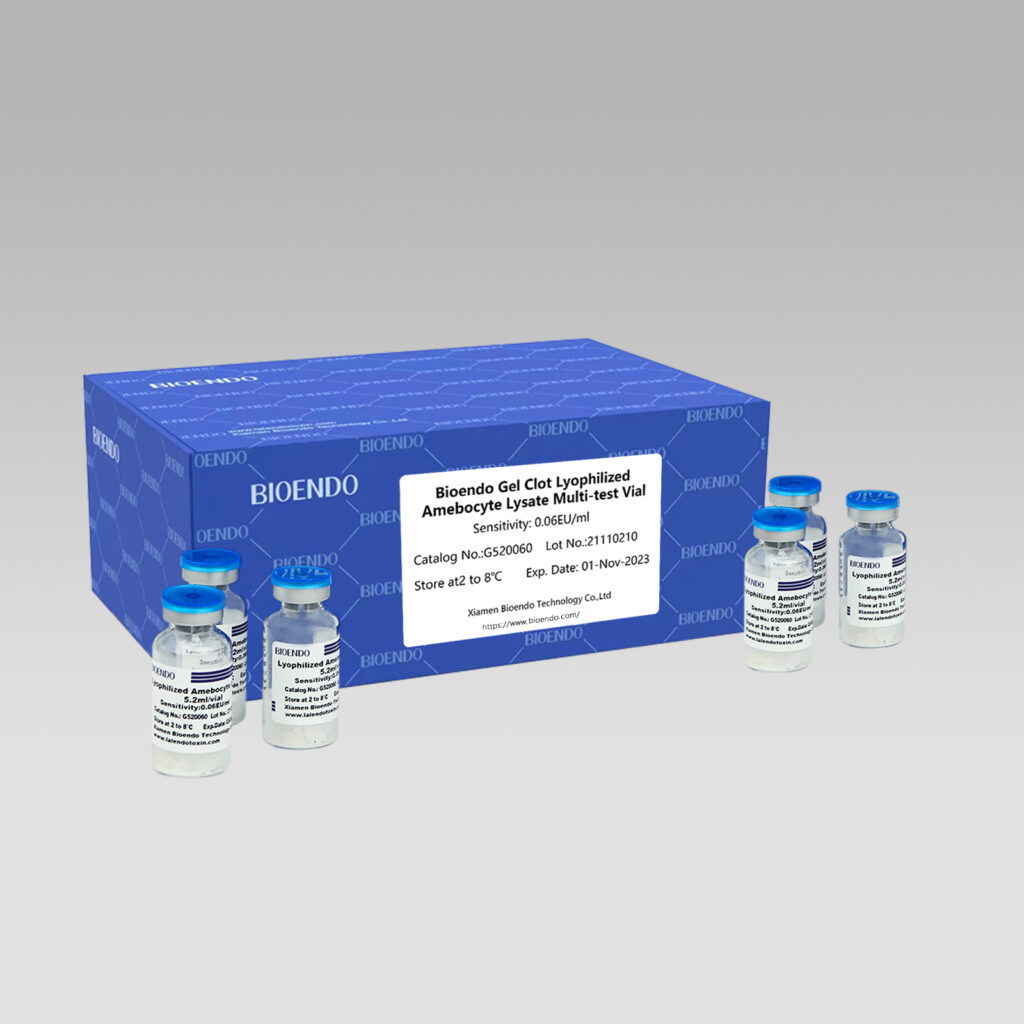
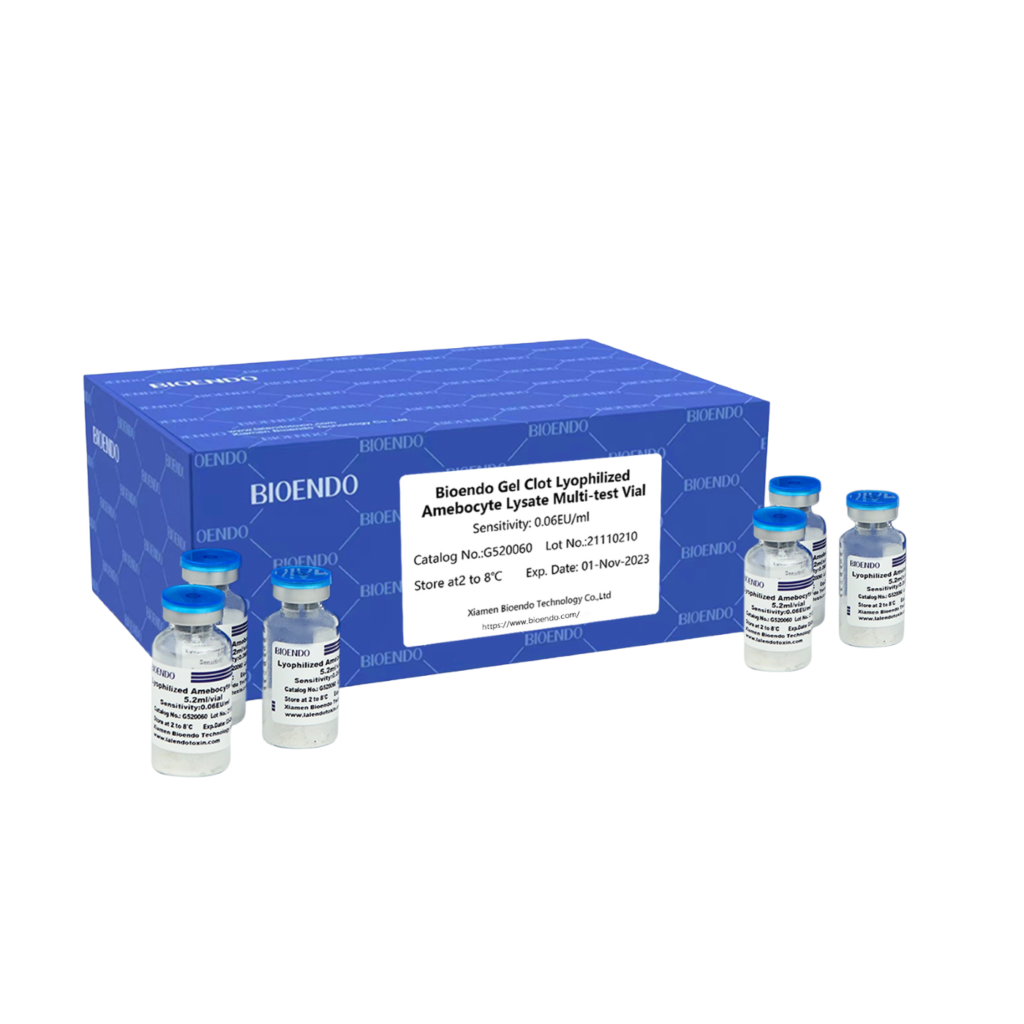
For higher testing demands, multi-test formats are available and are well suited for laboratories performing frequent or batch endotoxin testing. These kits provide consistent performance across multiple assays, improve testing efficiency, and help reduce cost per test while maintaining the same reliability and ease of use as single-test formats.

BIOENTAL applies the Gel-Clot method for bacterial endotoxin (pyrogen) detection as a reliable and well-established testing approach used across the pharmaceutical and medical device industries.

The gel-clot method is valued for its simplicity, robustness, and regulatory acceptance. This method does not rely on instrumentation. Test results are determined by a clear physical outcome, the formation or absence of a firm gel making interpretation straightforward and dependable.

Single Test Gel Clot
Format

Multi‑Test Gel Clot Kit – G17 (128 tests)

Multi‑Test Gel Clot Kit – G17 (1600 tests)

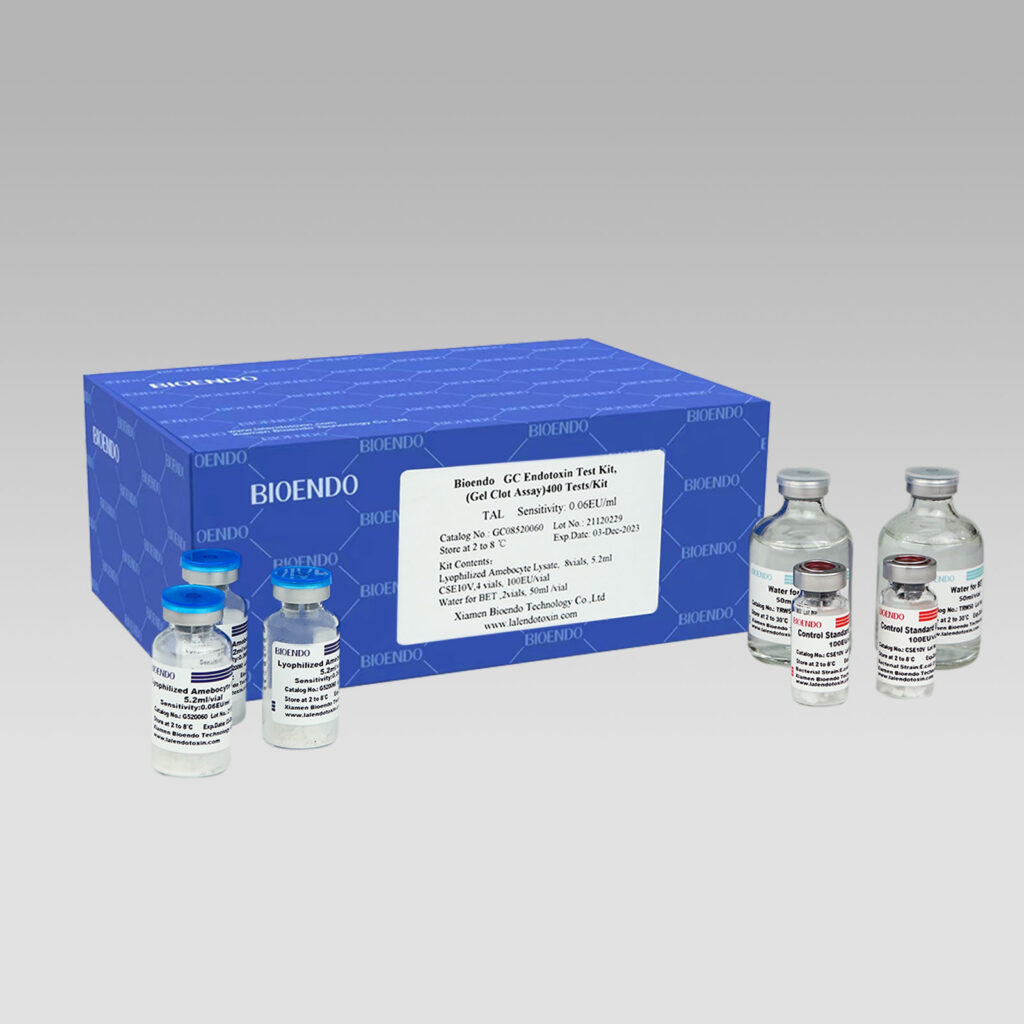
Multi‑Test Gel Clot Kit – G52 (400 tests)

Multi‑Test Gel Clot Kit – G52 (4500 tests)


Attribute

Product Format

Sensitivity Range (EU/ml)

Catalog Numbers

Volume / Vial

Tests / Vial

Vials / Pack

Total Tests / Kit

LAL Content


CSE Included

Water for BET

Best Use Case

Single test vial

0.03 / 0.06 / 0.125 / 0.25 / 0.5

G020XXX

0.2 mL

1

50

50

Included


Not included

Not included

Fast single tests

Multi‑test vial

0.03 / 0.06 / 0.125 / 0.25 / 0.5

GC08170XXX

1.7 mL

16

8

128

8 LAL vials

4 × CSE 10 V
(10 V = 1 - 199 EU)

2 × 50 ml

Small‑scale labs

Multi‑test vial

0.03 / 0.06 / 0.125 / 0.25 / 0.5

GC08520XXX

5.2 mL

50

8

400

8 LAL vials

4 × CSE 10 V
(10 V = 1 - 199 EU)

2 × 50 ml

Medium‑scale labs

Multi‑test vial

0.03 / 0.06 / 0.125 / 0.25 / 0.5

GC100170XXX

1.7 mL

16

100

1600

100 LAL vials

10 × CSE 10 V
(10 V = 1 - 199 EU)

Not included

GMP / regulated testing

Multi‑test vial

0.03 / 0.06 / 0.125 / 0.25 / 0.5

GC100170XXX

5.2 mL

50

90

4500

90 LAL vials

20 × CSE 10 V
(10 V = 1 - 199 EU)

Not included

High‑throughput QC labs

What Is the Gel Clot Testing Method?

The gel clot endotoxin test is a qualitative method used to detect the presence of bacterial endotoxins. When a test sample is mixed with amebocyte lysate reagent and incubated under controlled conditions, the formation of a firm gel indicates the presence of endotoxin above the specified sensitivity limit.

If a stable clot remains intact after gentle inversion of the tube, the result is considered positive. If no clot forms, the sample is negative at the tested sensitivity.

How the Gel Clot Method Works

The gel clot assay is the original bacterial endotoxin testing method and provides a clear yes‑or‑no result. Because it is an endpoint assay, it is especially useful for samples that may interfere with photometric or kinetic measurements.

The method relies on visual observation rather than instrument‑generated readings, making it a straightforward and reliable option for many laboratory applications.
When Is Gel Clot Testing Suitable?

The gel clot method is commonly used when testing samples that:

  • Are highly viscous
  • Have strong or dark coloration (e.g. red, orange, yellow)
  • Contain particulates, precipitates, or proteins (including trypsin)
  • Interfere with chromogenic or turbidimetric detection
  • Can cleave chromogenic substrates such as pNA

Required Equipment

The gel clot endotoxin test does not require complex instrumentation. A controlled heat source is sufficient for incubation, along with standard laboratory consumables.

Typical equipment includes:

  • Dry heat block or water bath
  • Reaction tubes or dilution tubes
  • Micropipettes and pipette tips
  • Timer and tube rack

Compendial Status

The gel clot endotoxin test is recognized as a compendial method in major pharmacopeias, including USP <85> and Ph. Eur. <2.6.14>, for bacterial endotoxin testing.

It is commonly used in regulated environments when qualitative results are acceptable.

Advantages and Limitations

Pharmaceutical manufacturing and quality control

Contract testing and microbiology laboratories

Water and raw material testing applications

Medical device manufacturers

Dialysis and healthcare‑related testing laboratories

Need Help Choosing the Right Gel Clot Solution?

Our team can help you select the appropriate product format and sensitivity based on your application.

CONTACT BIOENTAL

Drop Us A Message

📍Crescent @ Kallang, 47 Kallang Pudding Rd, Singapore 349318

Explore

Home

About Us

Our Services

Products

Resources

FAQ